The Sea Thanks You!
Torn paper collage posters reminding students in school cafeterias to use less “single-use” materials.
Context
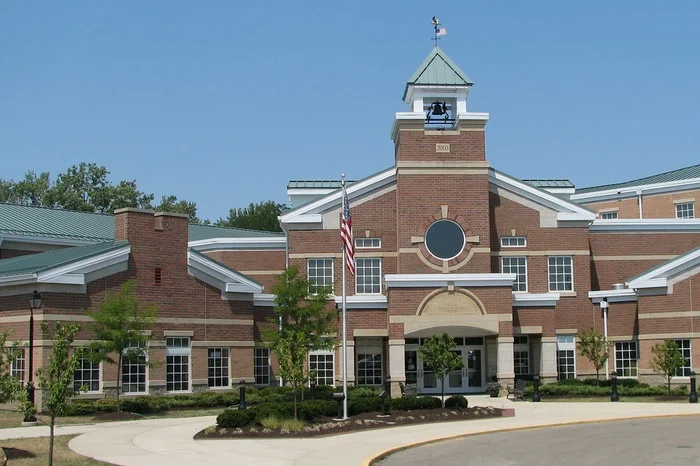
The lunch coordinator for Montgomery Elementary School hopes to start an initiative for the cafeteria to produce less waste.
There is an entirely blank wall adjacent to the lunch checkout line. This is where students collect straws, napkins, and plastic utensils.
Opportunity
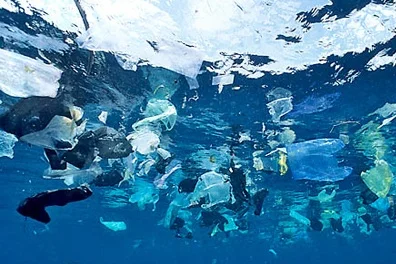
Posters communicating the effects of ocean pollution could discourage students from picking up the single use plastics and decrease waste.
Audience
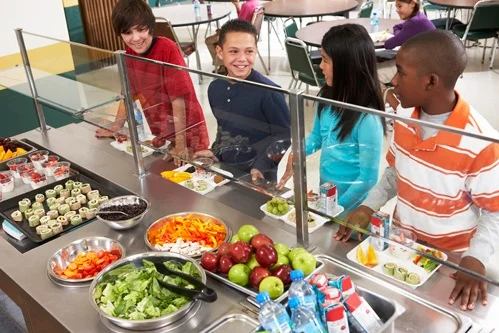
The Students
The 250 students in first through fourth grade at Montgomery Elementary.
1st Grade (6-7 yrs)
2nd Grade (7-8 yrs)
3rd Grade (8-9 yrs)
4th Grade (9-10 yrs)
The Audience
Parents and staff will also be lightly exposed to posters and should be able to appreciate them.
Research
Facts and statistics identify some of the problems of producing waste. This research drove the content and concept behind the poster series.
Concept Ideation
Three concepts developed based off research. In the end, the simple reminders concept was paired with the single-use collage concept. Building paper collages reflected the idea of re-purposing a single-use material like paper into something that will exist far longer.
Juxtaposed Imagery
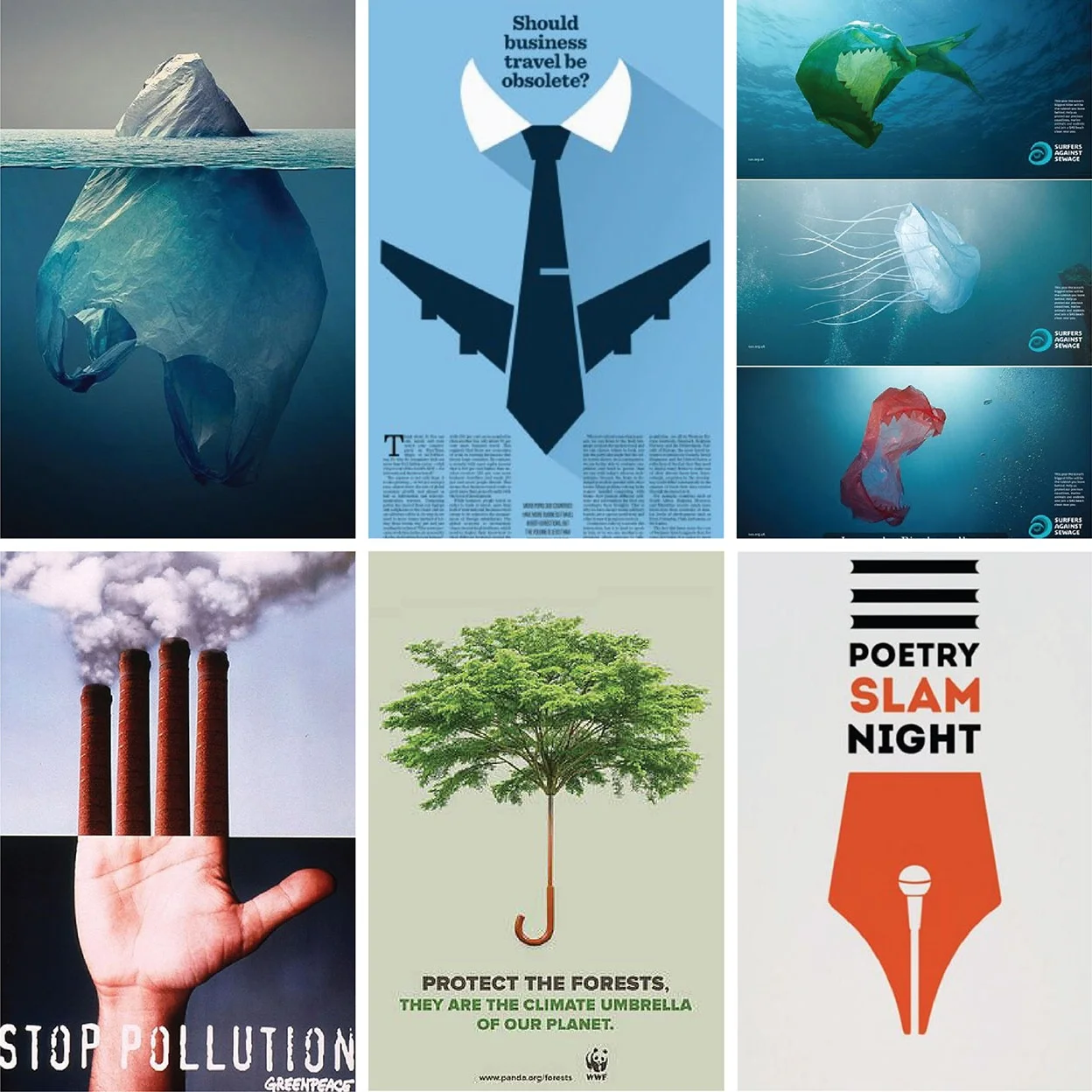
Two Different Images Convey combined to convey a knew idea. This technique could be used to emphasize the mass quantity of single-use materials or bring visual power a complexity to a statistic.
Ex. Older person’s face juxtaposed with a trail of plastic utensils.
Each person in the US will use approximately 38,000 or more straws between the ages of 5 and 65.
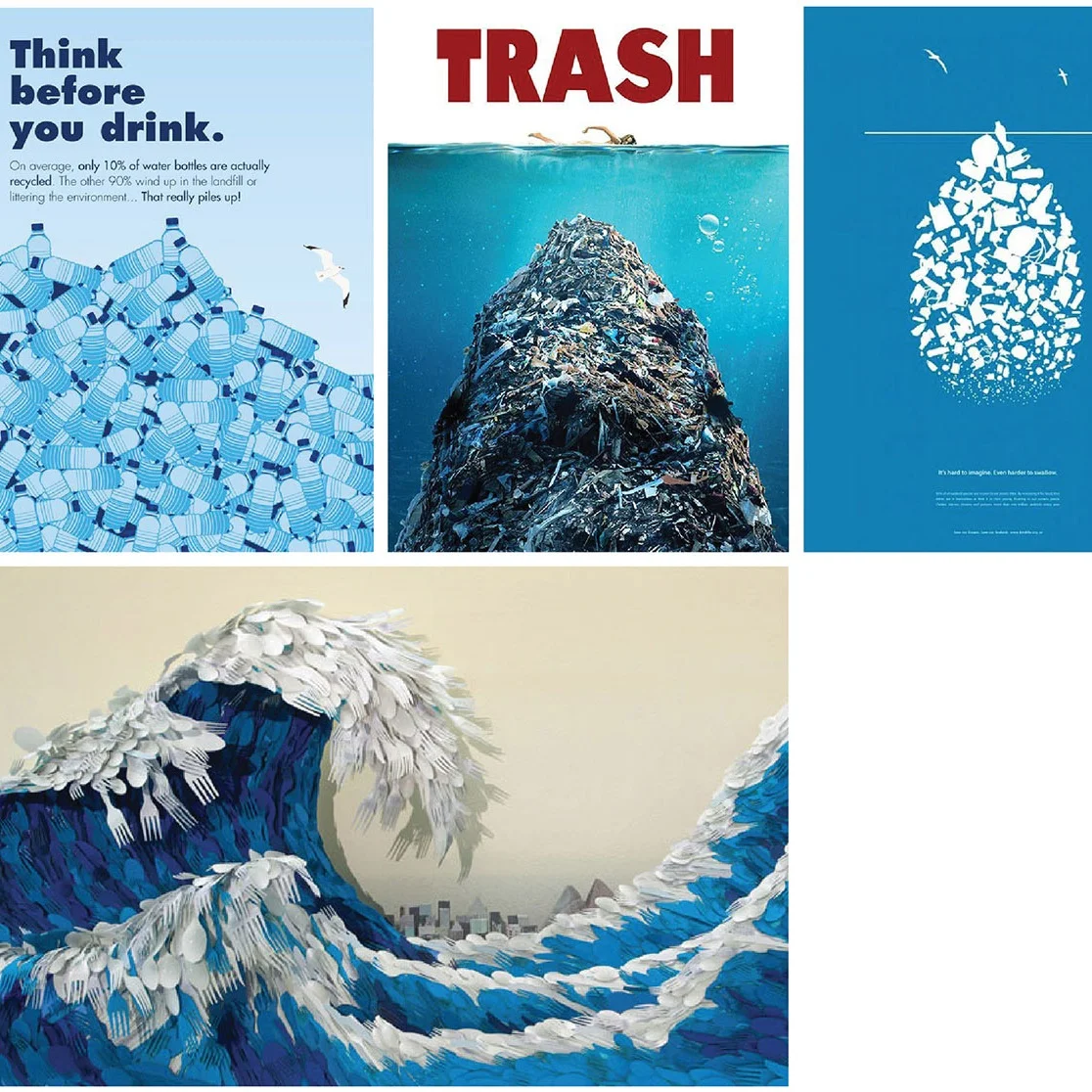
Single-use waste Collage
Building an ocean related image out of real single use materials could highlight the unnecessary amount we waste without being too overtly negative.
Ex. Make various fish out of straws, napkins, plastic utensils.
If we don’t act now, by the year 2050 there will be more plastic in the ocean than fish.
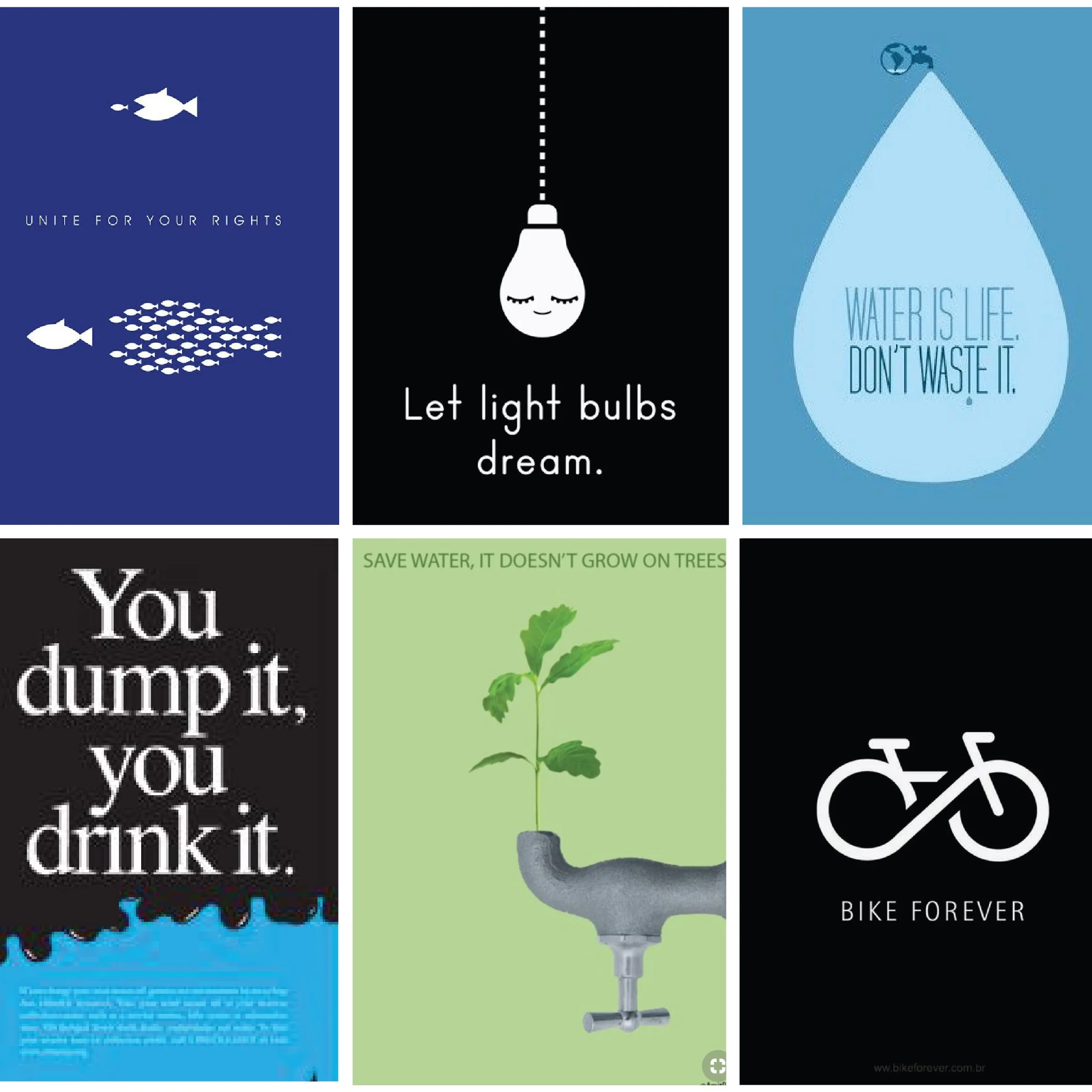
Simple Reminders
Positive statements to make the students feel good not taking single-use Items. This concept focuses entirely on the positive effect the students could make rather than the negative effects of non-sustainable choices.
Ex.The Ocean Thanks You
700 marine animals are faced with extinction due to the threat that plastic poses to them.
Final Concept: The Sea Thanks you!
Focus on sea turtles and sea birds rather than contrived “Recycle campaign” imagery like the earth or trees. The children may feel more empathy for the specific species than a more abstract concept like “the earth”.
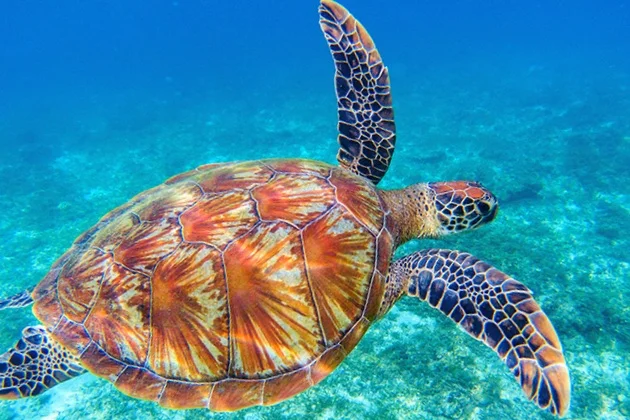
The Sea Turtles Thank You!
Ditching the plastic straw will help reduce the 50 percent of sea turtles who have plastic in their stomachs.
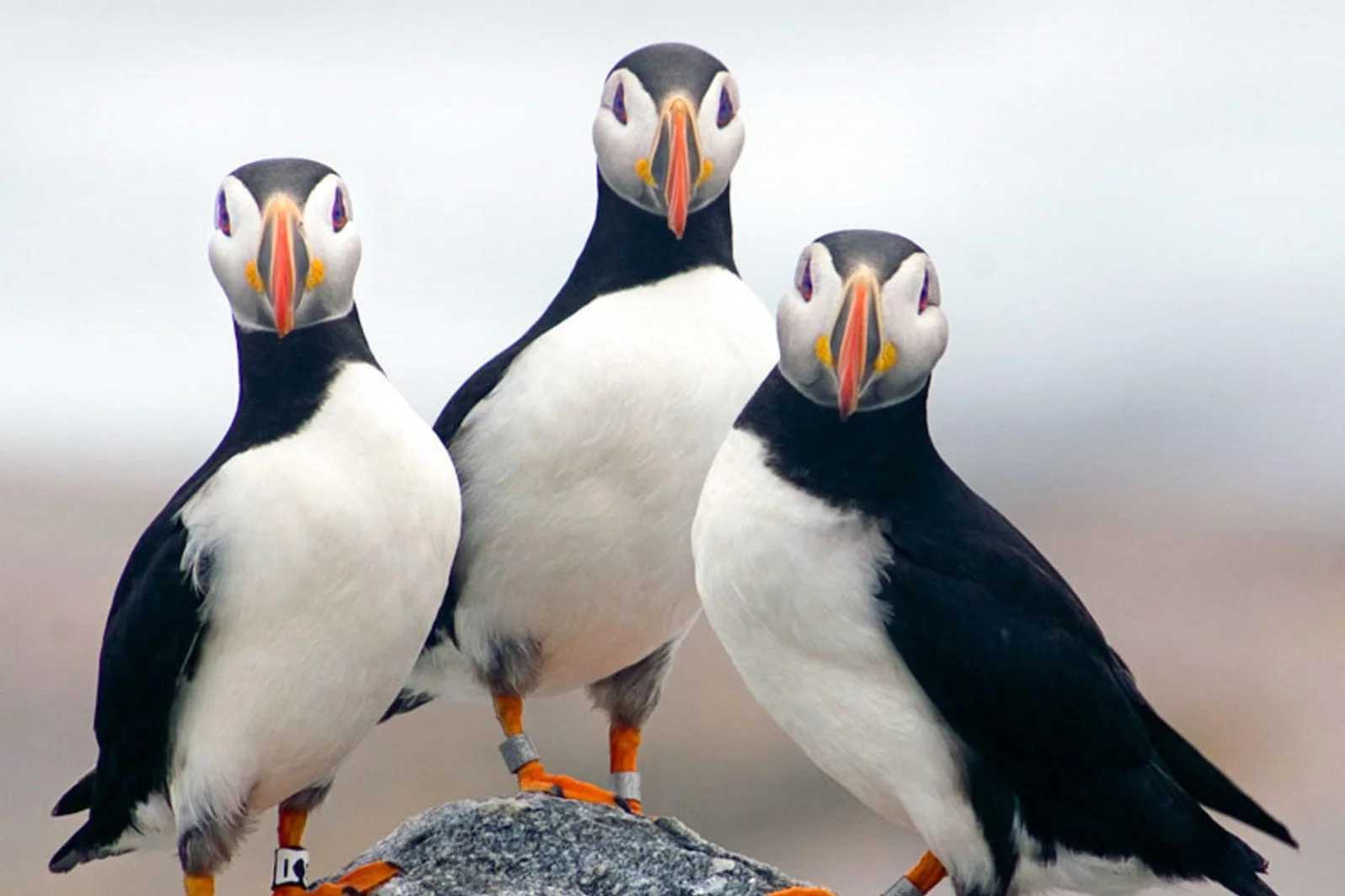
The Sea Birds Thank You!
Taking only one napkin will help the 99 percent of all seabird species who will have eaten plastic waste by 2050
Sketch Ideation
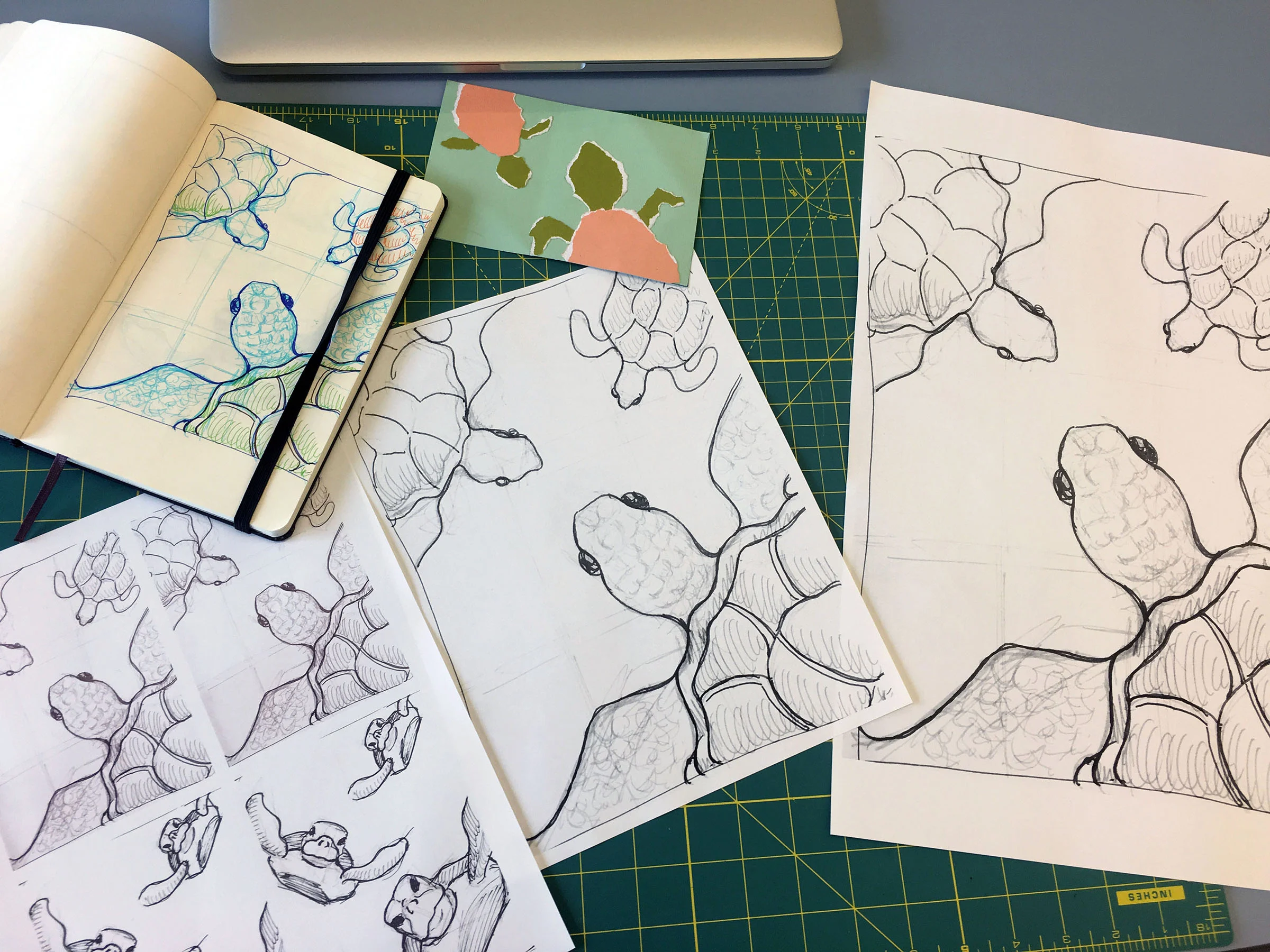
Refined subject matter, composition, and friendliness of sea animals.
The Sea Turtles Thank You!
The Sea Birds Thank You!
Final Sketches
Paper Prototypes
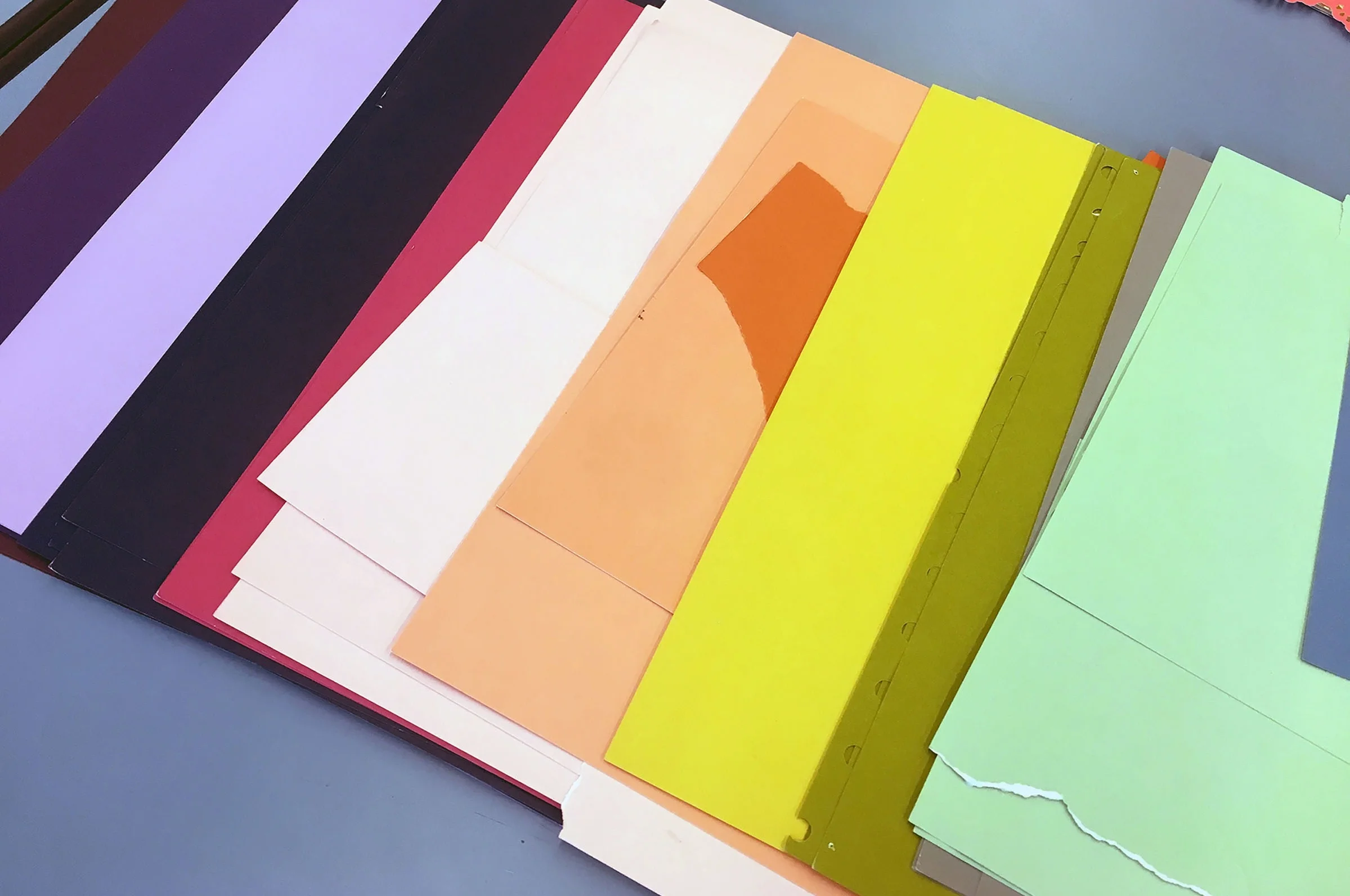
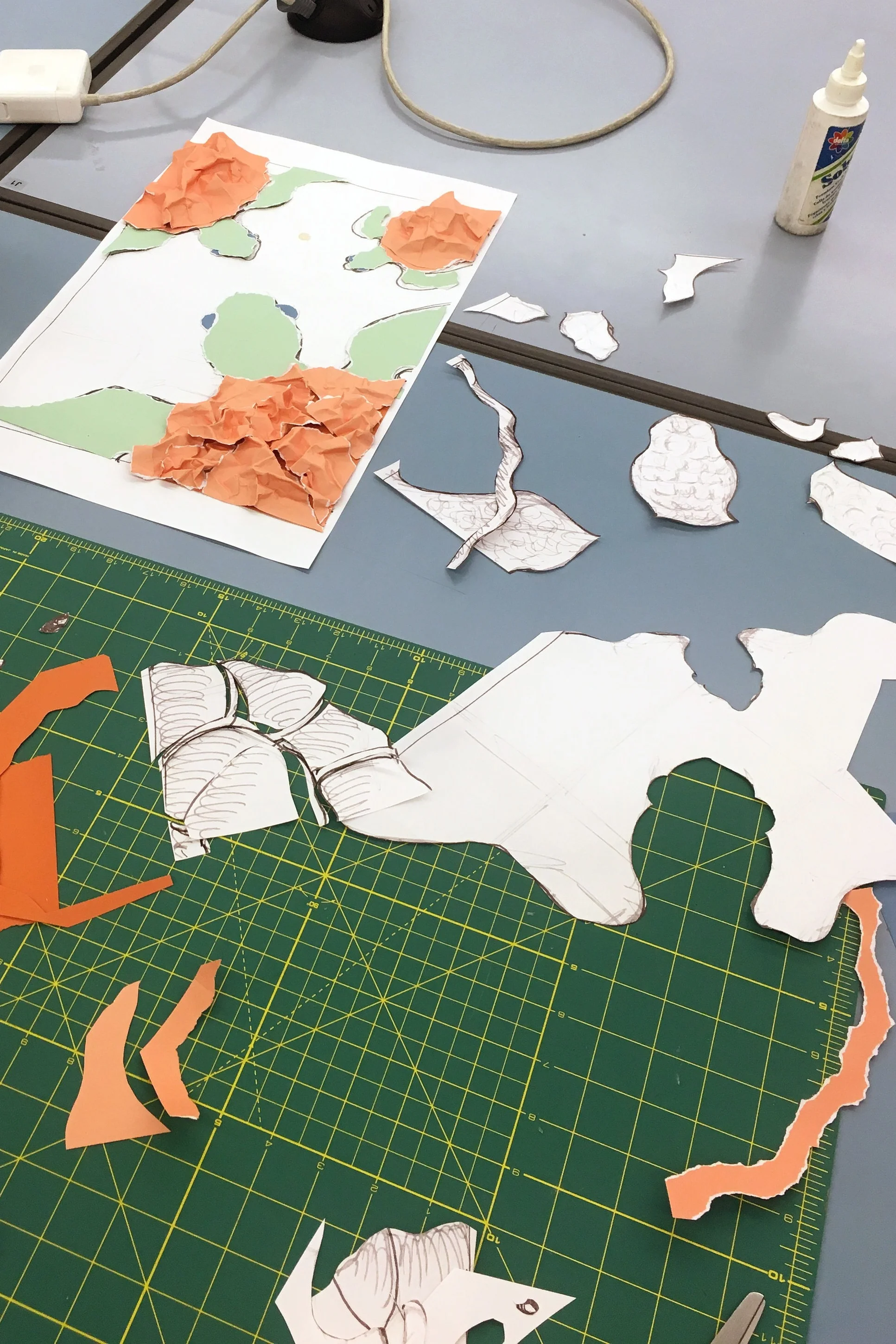
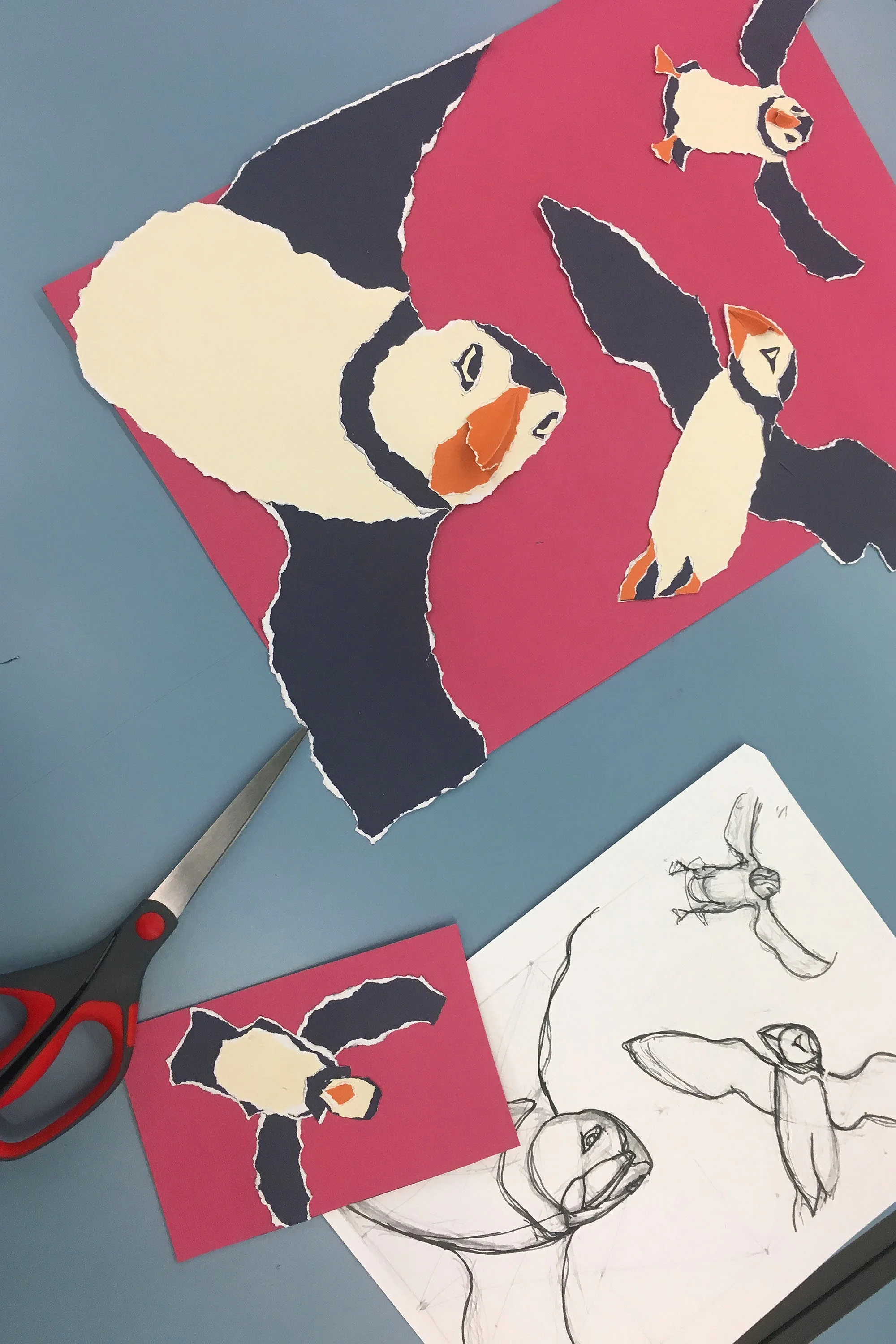
Small studies guided decisions involving form, color, and texture. Construction paper will be visually compelling but not contrived as actual recycled waste may have been.
Final Process
Finals
Now that the design is complete, the next phase will be presented to the lunch coordinator as well as the head of nutrition. Positive Statements like “Ditch the straw, the sea-birds thank you” allow student to feel good rather than scared or guilty.